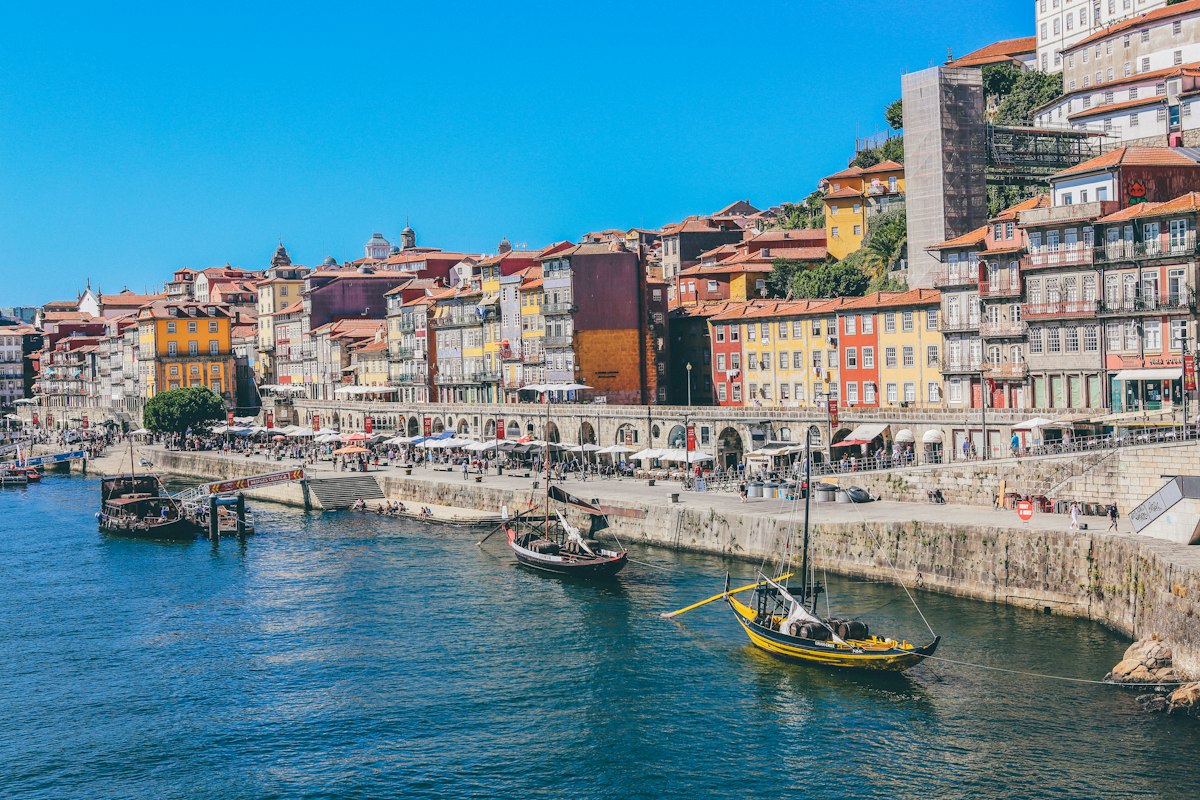
A 14-day Portugal itinerary with real costs for Canadian travellers.
Two Weeks in Portugal: A Realistic Itinerary with Costs for Canadians (2026)
Target persona: Carol — The Experience Collector (empty nester, age 52–66, YYZ/YVR/YUL) Keywords: Portugal trip cost Canadians, two weeks Portugal itinerary, flying to Portugal from Toronto 2026, Portugal travel guide Canadians, Lisbon travel tips Canadians Last updated: April 2026
Portugal has held the top spot on the Canadian traveller's Europe wishlist for years now, and the reasons are not complicated: the country is genuinely beautiful, historically rich, deeply hospitable, and — relative to France, Italy, or Switzerland — still reasonably affordable. If you've been putting off this trip, 2026 is a good year to finally book it. Here is exactly what two weeks in Portugal looks like for a Canadian couple, with real numbers and no vague "it depends."
Why Portugal Works Especially Well for Canadians
Portugal is visa-free for Canadian passport holders under the Schengen agreement. Canadians can stay in the Schengen Area (which includes Portugal) for up to 90 days within any 180-day period without a visa. For a 14-night trip, you're well within those limits. There are no additional entry requirements for Canadians beyond a valid passport — no e-visas, no forms to fill out in advance.
The euro (EUR) is Portugal's currency. As of early 2026, $1 CAD ≈ €0.67–€0.70 EUR. This isn't as favourable as it once was, but Portugal remains significantly cheaper than France or Italy for accommodation and dining. A decent sit-down dinner for two with wine in Lisbon runs €40–65 (~$57–$93 CAD). In Paris that same dinner is €80–120.
Flight connections from Canada to Lisbon (LIS) are good. TAP Air Portugal flies direct from Toronto (YYZ) and Montreal (YUL). Air Canada flies the YYZ–LIS route seasonally. Return fares for two passengers typically range from $1,800–$3,200 CAD total, with deals appearing in the $1,800–$2,400 range when properly timed.
The Real Budget: Two Weeks for Two People
| Category | Amount (CAD) | Notes | |---|---|---| | Flights (YYZ → LIS return, 2 people) | $1,900–$2,800 | TAP or Air Canada direct; deal pricing | | Accommodation (13 nights) | $1,800–$3,500 | Mix: Lisbon, Sintra, Alentejo, Porto. Average €80–€140/night | | Food and drink | $900–$1,400 | Restaurants + markets + coffee culture | | Internal transport | $300–$500 | Train (CP) + occasional Uber/taxi + one car rental day | | Activities and entrance fees | $300–$500 | Palaces, museums, wine tours, Douro Valley | | Miscellaneous (tips, sim card, toiletries) | $150–$250 | | | Travel insurance (2 people) | $200–$400 | Non-negotiable; see note below | | TOTAL | $5,550–$9,350 CAD | Most couples land $6,500–$7,500 |
Travel insurance note: If you're 60+, travel insurance for a two-week Europe trip is non-optional. A medical evacuation from Portugal to Canada without coverage runs $60,000–$120,000 CAD. Coverage through your credit card may be limited (many cards cap at 15-21 days, some at 65 for no-deductible coverage). Verify what your card actually covers, then top up with a standalone policy from Manulife, Blue Cross, or TuGo for the gap. For two people in their early 60s, expect $200–$400 for two weeks.
The Itinerary: 14 Days Done Right
This itinerary moves from south to north, ending in Porto (which has good flight connections home) or returning to Lisbon for departure. It avoids the trap of racing through too many cities and builds in the slower pace that makes Portugal actually enjoyable.
Days 1–4: Lisbon
Lisbon is the undeniable starting point. Fly in, give yourself a day to recover from the overnight flight, then settle into the city's rhythm.
What to do:
- Alfama neighbourhood — the oldest neighbourhood in Lisbon, draped across a hillside. Walk up, take Tram 28, and spend time wandering. Miradouros (viewpoints) like Portas do Sol and Santa Luzia are free and genuinely spectacular.
- Belém — the waterfront neighbourhood with the Jerónimos Monastery (€15/person, worth it) and Torre de Belém. Get a pastel de nata from Pastéis de Belém — the original, since 1837.
- LX Factory — a converted industrial complex turned food market and boutique hub. Sunday market is the best day.
- Oceanarium (if you enjoy aquariums) — €22/person, one of the best in Europe.
- Sintra day trip — 40 minutes by train from Rossio station (€5 return), Sintra is a UNESCO World Heritage Site of palaces in the forested hills above Lisbon. Allow a full day. The Pena Palace (€20 entrance) is the iconic image of Portugal. The town itself is expensive for lunch — bring snacks or budget €20–30 for food.
Accommodation: Lisbon boutique hotels in Príncipe Real, Bairro Alto, or Mouraria neighbourhoods. Expect €100–€160/night for a well-located double room with a good breakfast. Book direct with the hotel when possible — many small Lisbon hotels have better rates than what appears on Booking.com because they list selectively.
Budget for 4 days in Lisbon: ~$1,400–$1,900 CAD (accommodation + food + activities + transport)
Days 5–7: Alentejo Region
The Alentejo is the region most Portuguese people will tell you is their favourite: vast, golden plains, cork forests, ancient whitewashed villages, and some of the best wine in Europe. It's relatively undiscovered by international mass tourism — which is exactly why you should go.
Évora is the main city — a compact, beautiful UNESCO town with a Roman temple still standing in the old town centre, a 16th-century ossuary (the Chapel of Bones) that is either wonderful or disturbing depending on your outlook, and excellent restaurants.
What to do:
- Walk the old town walls and the Roman Temple of Évora (free, open air)
- Chapel of Bones at Igreja de São Francisco — €5 entrance
- Visit a working cork farm or Alentejo wine estate — many offer tours and tastings for €15–25/person. Herdade do Esporão is one of the best-known estates (book ahead)
- Day trip to Monsaraz — a perfectly preserved medieval hilltop village 60km from Évora. Rent a car for this day or join a small group tour (~€50–70/person)
Getting there: Train from Lisbon's Entrecampos station to Évora (~1h40m, ~€12–16/person). Or rent a car in Lisbon and drive (the Alentejo is where driving is worth it — public transport between smaller villages is limited).
Accommodation: Small boutique rural hotels or a Monte Alentejano (traditional farmhouse) near Évora. Expect €90–€140/night. Quality is high and the experience of staying in a rural Alentejo property is one of the trip highlights.
Budget for 3 days in Alentejo: ~$800–$1,100 CAD
Days 8–10: The Douro Valley
Skip south Portugal's Algarve (touristy, expensive in peak season, better for beach holidays than wine country exploration) and head north to the Douro Valley — arguably the most beautiful inland landscape in Europe. The Douro River cuts through terraced vineyards for hundreds of kilometres, and the wine produced here (Port, and increasingly excellent table reds and whites) is world-class.
Base yourself in Pinhão — a small town in the heart of the valley, a 3-hour train ride from Porto via the famous Douro Railway line (€20–30/person, one of the most scenic train journeys in Europe; book the morning departure for the best light).
What to do:
- Douro boat cruise — a 1-2 hour boat trip on the river between Pinhão and Régua, passing vineyards and quintas. €15–25/person depending on operator
- Quinta visits and tastings — most Quintas (wine estates) in the Douro accept visitors for tastings, typically €10–20/person. Quinta do Crasto, Quinta do Vallado, and Quinta Nova are all visitor-friendly and consistently excellent
- Walk the terraced vineyards — you don't need a guide. The trails between quintas are publicly accessible
Accommodation: Pinhão has a handful of boutique properties and rural tourism lodgings. Expect €100–€160/night. The view from the pool of a hillside quinta is a specific form of happiness.
Budget for 3 days in Douro Valley: ~$900–$1,200 CAD
Days 11–14: Porto
Porto closes the trip perfectly. It's walkable, packed with things to eat and drink, architecturally remarkable, and appropriately relaxed after a week-plus of driving and exploring.
What to do:
- Ribeira waterfront — Porto's historic riverside, UNESCO-listed. Walk across the Dom Luís I Bridge to Vila Nova de Gaia and visit Port wine lodge cellars. Most lodges charge €15–25/person for a tour + tasting (Taylor's, Graham's, and Sandeman are reliably good)
- Livraria Lello — the bookshop that inspired Harry Potter's Hogwarts library. Entry is €8 (redeemable against a book purchase). Book a timed entry slot online
- Clérigos Tower — 225 steps up for one of the best views in Porto. €6/person
- Bolhão Market — Porto's main food market, beautifully restored after a long renovation. Free to walk through; buy lunch here
- A Francesinha — Porto's iconic sandwich (beer-braised meat, melted cheese, tomato-beer sauce). €10–14 at most places. Non-negotiable.
- Day trip to Guimarães — 45 minutes by train, birthplace of Portugal as a nation, medieval castle and well-preserved old town. €5–8 return train
Accommodation: Porto Baixa or Bonfim neighbourhoods. €90–€150/night for a good double room.
Budget for 4 days in Porto: ~$1,200–$1,700 CAD
Getting Around Portugal
Trains: Portugal's CP rail network is reliable and scenic. Lisbon–Porto takes 2h45m on the intercidades service (~€25–35/person). Lisbon–Évora is ~1h45m. For Douro Valley to Porto, take the famous Douro Line. Book tickets at cp.pt — no Portugal rail pass needed for most itineraries; point-to-point tickets are cheaper.
Car rental: Worth it for the Alentejo leg and any day trips from Douro Valley to smaller villages. Expect €40–65/day for a small automatic. Book in advance and pick up/drop off at the same airport if you want the best rates. International driving permit is not required for Canadians in Portugal — your Canadian licence is valid.
Uber: Available in Lisbon and Porto, cheap and reliable. More useful than taxis in cities.
Best Time to Visit for Canadians
May and June: The sweet spot. Warm but not hot (22–27°C in Lisbon), long days, not yet peak crowds or prices. Wildflowers are everywhere in the Alentejo. Almond blossom season is February–March if you're planning earlier.
September and October: Excellent. Harvest season in the Douro Valley (September and October) is the best time to visit wine country. Temperatures are comfortable, summer crowds have thinned, and harvest festivals are running.
July and August: Hot (30–37°C inland, cooler on the coast). Peak tourist season in Lisbon — accommodation prices spike and the city is very busy. If you must travel in summer, lean towards Porto and the north, which are cooler.
Winter (November–March): Mild (12–17°C), affordable, and quiet. Rainy season in Lisbon but rain is manageable. Great for those who genuinely want to avoid crowds. Christmas in Porto is particularly charming.
What Most Travel Sites Don't Tell You About Portugal
The language: Portuguese is not Spanish. Many Canadians are surprised to find that their schoolyard Spanish does not transfer. However, English is widely spoken by service industry workers in tourist areas. In smaller Alentejo villages, a little patience and Google Translate goes a long way.
Driving in Lisbon: Do not drive in central Lisbon. The roads in Alfama were designed for donkeys and tourists regularly damage rental cars on narrow streets. Park at the edge and walk or take public transit.
Tipping: Portugal does not have a strong tipping culture. Rounding up or leaving €2–5 on a restaurant bill is generous. You will not be judged for leaving nothing, and you will not create a cultural incident by leaving 15%.
Tap water: Safe to drink everywhere in Portugal. Don't buy bottled water — bring a refillable bottle.
Aeroplan and Loyalty Points: TAP Air Portugal participates in Aeroplan (Star Alliance), so you can earn Aeroplan miles on your TAP flights. If you have a significant Aeroplan balance, TAP is worth checking for award availability to Lisbon before paying cash.
Booking Your Trip
Flights: Set a Google Flights price alert for YYZ → LIS or YUL → LIS. Deal fares from Toronto appear at $1,800–$2,400 return for two people a few times per year. Sign up for FareNorth's newsletter for the YYZ/YUL segments — we track Lisbon deals specifically.
Accommodation: Book accommodation directly with properties when possible, especially in the Alentejo and Douro Valley where boutique rural hotels often offer better rates and more flexibility than OTA listings.
Activities: Book Sintra tickets and Livraria Lello in advance to avoid queues. Most other things in Portugal do not require advance booking and you will be fine showing up.
Bottom Line
Two weeks in Portugal is a genuinely excellent trip for Canadians — it delivers on history, food, wine, landscape, and the particular pleasure of feeling like you've found something most of your colleagues haven't discovered yet. The $6,500–$7,500 CAD budget for a couple is real, manageable, and not requiring austerity. Catch a flight deal and you'll come in comfortably under $7,000.
Book when the flight deal appears. The itinerary can wait until you have tickets in hand.
Watching for Portugal deals from Canadian airports? Sign up for FareNorth's free deal alerts — we send flight alerts for YYZ, YVR, YUL, and YYC to European destinations including Lisbon.