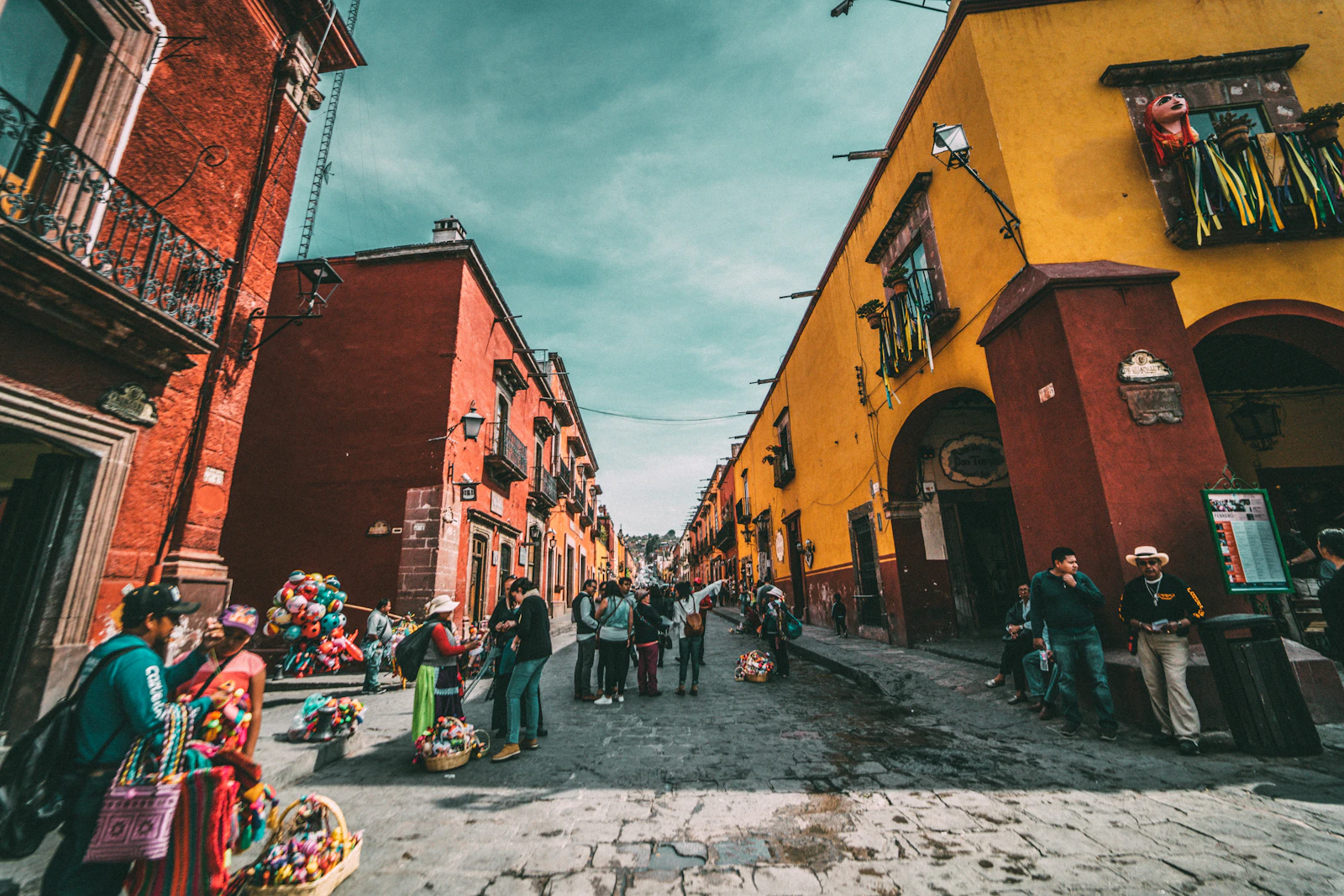
Size test
A 30-day stay in Mexico City as a Canadian remote worker runs $2,400–$3,600 CAD all-in (apartment + food + transport + a coworking pass), plus $400–$700 CAD for a return flight from YVR or YYZ. Canadian passport holders get a 180-day FMM permit on arrival — no visa, no application, no fee. Time zone is CST year-round (CDMX doesn't observe DST), which lines up with Toronto for half the year and is one hour ahead of Vancouver in summer, one ahead of Calgary year-round. Internet is fast in the right neighbourhoods, terrible in others; pick wrong and your standups crash.
Here's how to do a month here without overpaying and without getting sand-bagged on the things deal-site articles never mention.
Quick Facts
| City | Mexico City (CDMX) |
| Airport | MEX (Benito Juárez), with NLU (Felipe Ángeles) as a secondary option |
| Currency | Mexican peso (MXN); ~14 MXN to 1 CAD as of April 2026 |
| Time zone | CST (UTC-6), no daylight savings — same as Saskatchewan year-round |
| Visa for Canadians | None. 180-day FMM tourist permit issued on arrival |
| Best months for remote work | March–May and October–November (dry, mild, fewer afternoon storms) |
| Avg flight from YVR | $480–$780 CAD return |
| Avg flight from YYZ | $420–$650 CAD return |
| Typical 30-day budget | $2,400–$3,600 CAD (excluding flight) |
| Internet reliability | 100–300 Mbps fibre in Roma/Condesa; spotty in older buildings — check before booking |
Getting There from Canada
Toronto and Vancouver both have direct flights to MEX, and that matters when you're hauling a month's worth of stuff. From YYZ, Air Canada and Aeromexico fly direct in about 5 hours; return fares typically run $420–$650 CAD. From YVR, expect 5h 30m direct on Air Canada or Aeromexico at $480–$780 CAD return. Calgary (YYC) gets a seasonal direct via WestJet but mostly routes through Vancouver. Montreal (YUL) usually connects through YYZ or a US hub. Budget closer to $550–$750.
If you can fly Tuesday or Wednesday on the way down and Tuesday on the way back, you'll see the cheapest fares. Sunday-to-Sunday is the worst combination. Avoid the last week of December and Easter. Mexican families travel domestically and prices spike.
Find the best YYZ→MEX fares on Expedia
The arrival paperwork: you fill in an FMM card on the plane (or at the kiosk), they stamp it for up to 180 days, and you keep the slip. Don't lose it. Replacement is a process, and you need it to leave the country.
Where to Base Yourself
Pick the neighbourhood first. Everything else follows.
Roma Norte is where most first-time Canadian remote workers land, and for good reason. It's leafy, walkable, packed with cafes and coworking, and you can be at a taqueria, a Pilates class, or a wine bar within four blocks of any apartment. Expect $1,400–$2,000 CAD for a furnished one-bedroom on a 30-day stay; cheaper outside Airbnb (more on that below). Streets to target: Colima, Orizaba, Álvaro Obregón.
Condesa is Roma's slightly older sibling — same vibe, more park, fewer crowds. Avenida Amsterdam is the famous oval-shaped street that runs around Parque México. If you like running outdoors, this is your neighbourhood. Pricing is similar to Roma Norte, sometimes $100–$200 more for the apartments fronting the park.
Juárez sits between Roma Norte and the Reforma towers. Less polished, cheaper, and a 15-minute walk from anything. Good if you want a $900–$1,300 CAD month and don't mind that your block has a tire shop on it.
Polanco is where the suits live and the embassies are. It's beautiful, expensive ($1,800–$2,800 CAD for a month), and dead at street level. Fine for a week, wrong for a month if you came here for energy.
Where I'd skip for a 30-day stay: Coyoacán (charming but a long Uber from anywhere), the Centro Histórico (tourist heavy, light at night, rough WiFi in old buildings), and anywhere that requires more than one Metro transfer to get to a meeting.
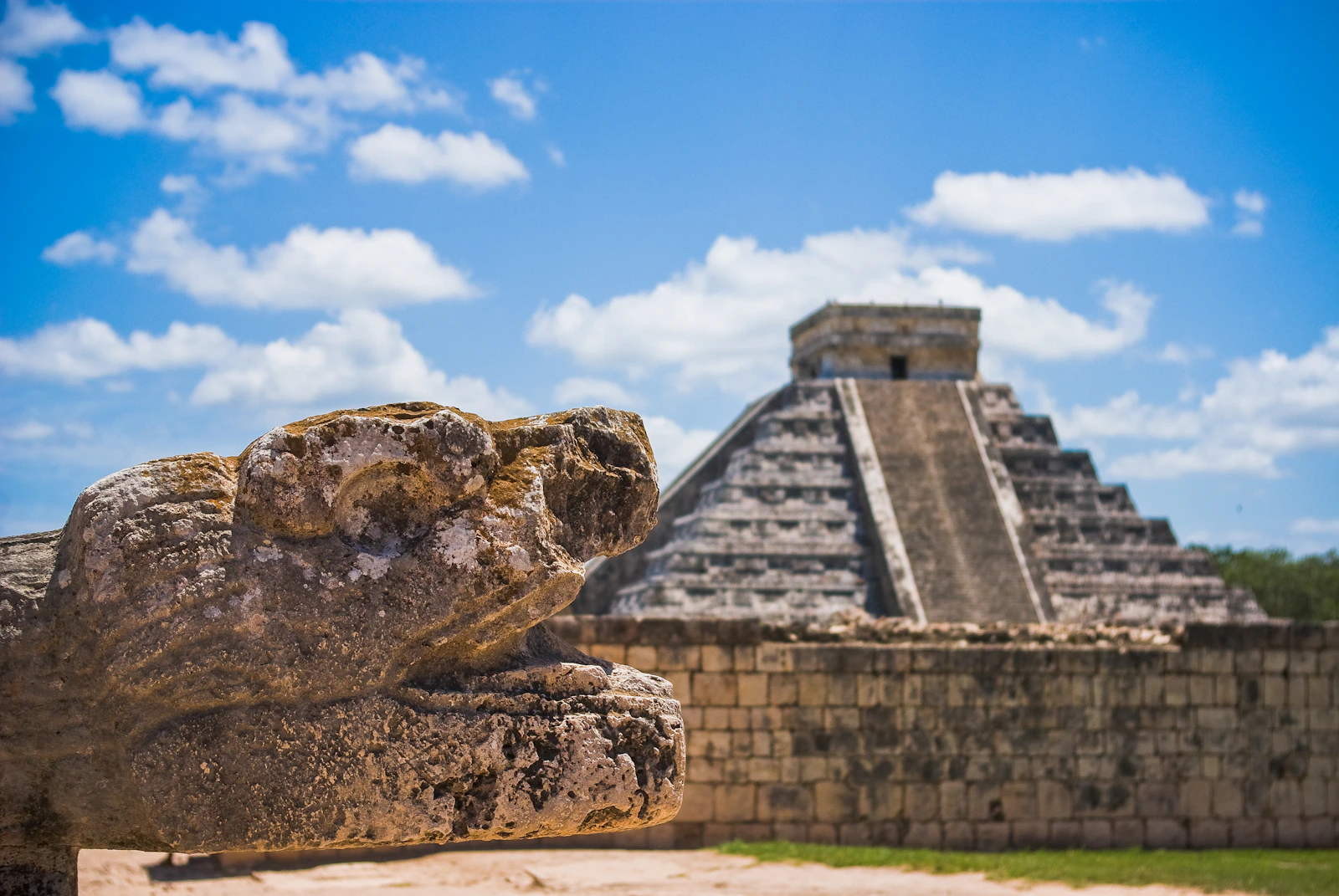
Browse Mexico City apartments on Booking.com — sorted by guest rating
The catch: Airbnb has been hiking long-stay prices in Roma and Condesa hard since 2023. For a real saving, look at Sonder, Casai, Selina, or (best option) find a local rental on Lamudi or Vivanuncios for stays of 30 days or longer. You can land an unfurnished but excellent apartment for $700–$1,100 CAD/month if you're willing to do one viewing in person. That's half the Airbnb rate.
What 30 Days Actually Costs
Three tiers, all in CAD, all built from real receipts collected by Canadian remote workers in Roma/Condesa during 2024–2026.
| Category | Lean ($2,400/mo) | Comfortable ($3,000/mo) | Easy ($3,600/mo) |
|---|---|---|---|
| Apartment (30 nights) | $900 (local rental, Juárez) | $1,500 (Airbnb, Roma) | $2,000 (boutique Airbnb, Condesa) |
| Groceries + cooking 50% of meals | $250 | $300 | $350 |
| Restaurants & taquerias | $400 | $550 | $700 |
| Coworking pass (full month) | $180 | $230 | $280 (premium space) |
| Local transport (Metro + Uber) | $80 | $130 | $180 |
| Domestic SIM + data | $25 | $30 | $35 |
| Coffee shop work hours | $60 | $90 | $120 |
| One weekend trip out (Oaxaca, Puebla) | $300 | $400 | $500 |
| Buffer (drinks, gym, fun) | $200 | $300 | $400 |
| Total (excl. flight) | $2,395 | $3,530 | $4,565 |
The middle column is what most Canadian remote workers I know actually spend. Lean works if you book a local rental and cook breakfast and lunch most days. Easy is what you'll spend the first month if you're going out more nights than not — which, fair, is half the reason you came here.
A side-by-side gut check from a 2025 reader survey: Vancouver respondents reported saving $1,800–$2,400 CAD/month vs. their YVR baseline (rent alone in their Vancouver apartment was higher than their entire CDMX month).
Internet, Coworking, and Where You'll Actually Take Calls
Don't trust the apartment listing's WiFi screenshot. Ask the host for a current Speedtest result before booking, or, if you're in town already, go view a place and run one yourself.
What you want: Telmex Infinitum or Totalplay fibre, 100 Mbps minimum down, 20+ up. Anything below that and your video calls will degrade in the afternoon when the neighbourhood logs on.
Coworking I'd actually recommend:
- WeWork Reforma 26 / Reforma Latino: premium-priced ($240–$320 CAD/month for hot desk), reliable as physics, every video call goes off without a hitch. Worth it if your job is meetings.
- Público Roma Norte: local-feel coworking with day passes around $20 CAD and monthly memberships near $180 CAD. Good community, decent coffee.
- Selina CoWork (Roma Norte and Polanco locations): $200–$260 CAD/month, full kitchen, lots of nomads. Buzzy and slightly chaotic, which is either a feature or a bug depending on your week.
- Homework / Working Roma: local independents, $150–$200 CAD/month, slower pace.
If you're a coffee shop worker by default, Blend Station on Tamaulipas in Condesa is the Canadian-favourite. High ceilings, fast WiFi, no judgement if you camp for four hours. Qūentin Café (Roma) is the better coffee but smaller and tighter on table space.
Book Mexico City coworking day passes on GetYourGuide for trying spaces before committing to a monthly pass.
Time Zones, Meetings, and Working a Canadian Schedule
CDMX runs on CST (UTC-6) year-round. No DST. Here's what that actually means month-by-month:
| Period | Toronto offset | Vancouver offset |
|---|---|---|
| November–March | Same time | +2 hours (CDMX is later) |
| March–November (DST) | -1 hour (CDMX is earlier) | +1 hour |
Practical translation: a 9am–5pm Toronto schedule is 8am–4pm CDMX in summer, identical in winter. Vancouver mornings are tough year-round. A 9am PT call is 11am CDMX in summer, fine; in winter it's 11am too, also fine. The only friction point is if you're on a US East Coast team during summer, where their 9am is your 8am and you're up before the cafés open.
The breakfast taqueria opens at 7am. Most cafes don't open until 9 or 9:30. Plan accordingly.
Visa Reality for Canadian Passport Holders
180 days, automatic, no application, no fee. The catch isn't getting in — it's that the immigration officer will sometimes write a number lower than 180 on your slip. They have full discretion.
Three rules to get the full 180:
- Land at MEX, not at a beach destination. Cancun officers are notorious for stamping 30 or 60 days.
- Book a return flight more than 30 days out and have a printed copy ready.
- Don't volunteer that you'll be working remotely. You're a tourist. The FMM is a tourist permit. Working remotely on a tourist permit is a grey zone Mexico has not enforced against Canadians, but officially you should not announce it.
If you want to stay longer than 180 days, you leave Mexico (a long weekend in Guatemala or Belize works) and come back for a fresh 180. Or apply for a Temporary Resident Visa at a Mexican consulate in Canada before leaving. That's the real path for anyone planning multi-year stays.
A Realistic Weekly Rhythm
Monday: full work day, cook at home, in bed by 10pm. Mexico City is exhausting the first week. Altitude (2,240m) gives you mild headaches and shorter breath, especially the first 3–5 days. Hydrate.
Tuesday/Wednesday: meetings stack up; coworking from 9–4, taquería lunch break, a walk in Parque México to reset.
Thursday: usually deep work day. Cafe in the morning, apartment in the afternoon. Dinner out. Roma's restaurants take Thursday seriously, and you'll get tables you can't get on Friday or Saturday.
Friday: half-day if you can. Mezcal happy hour is a real thing.
Saturday: Mercado Roma in the morning, an afternoon at Chapultepec or the Frida Kahlo museum (book tickets ahead; they sell out two weeks in advance). Skip the Tianguis on Sundays unless you genuinely love crowds.
Sunday: Reforma is closed to cars from 8am to 2pm and turns into a 13-kilometre bike highway. Rent an Ecobici and ride from Chapultepec to the Centro and back. This is the day Mexico City sells itself.
Book Mexico City walking tours and Frida Kahlo tickets on GetYourGuide
The catch: Air quality. CDMX has bad days, usually in winter from temperature inversions and in spring from agricultural burning. Check the AQI app before deciding to run outside. On a contingencia ambiental day, take it indoors. A KN95 mask is sensible to bring.
Practical Tips for Canadian Remote Workers
- SIM card: Get a Telcel chip the day you land — Amigo plan with 30 days unlimited data is around $25 CAD. Don't bother with Bait or AT&T Mexico; coverage is patchier.
- Money: Use Wise or your no-FX-fee credit card. Most places take card; a few taquerias and the markets are cash-only. Withdraw pesos from a Banorte or Santander ATM, not a Cajero standalone. Third-party ATMs charge $5–$8 CAD per withdrawal.
- Tap water: Don't drink it. Apartments come with garrafones (5-gallon water jugs); refills delivered to your door cost $2 CAD.
- Travel insurance: Worldnomads and SafetyWing both cover Canadian remote workers for stays this length. Budget $80–$130 CAD/month.
- Earthquakes: CDMX has them. There's a public early warning system (loud siren). Know your apartment's exit and where the safest internal corner is. Don't panic; locals don't.
- Spanish: Roma/Condesa cafe and restaurant staff often speak English. Outside that bubble, basic Spanish makes life dramatically easier. A week of Duolingo before you go is worth it.
FAQ
Is Mexico City safe for Canadian remote workers? Roma Norte, Condesa, Juárez, Polanco, and most of Coyoacán are safe day and night for normal cautious behaviour. The same rules as any big city apply: don't flash a $3,000 laptop at a 2am taco stand, use Uber instead of street taxis, and don't wander around Tepito or Iztapalapa at night. Petty theft (phones snatched off restaurant tables) is the most common issue Canadians report. Global Affairs Canada lists Mexico as "exercise a high degree of caution" with state-specific advisories — Mexico City itself has no specific advisory.
Can Canadians legally work remotely from Mexico on a tourist permit? The FMM permit is for tourism. Mexico has not enforced against remote workers on tourist permits, and there's no record of a Canadian being denied entry or removed for laptop work. If you want full legal clarity, apply for a Temporary Resident Visa at a Mexican consulate in Canada before you go. The income threshold is around $4,500 CAD/month or $75,000 CAD in savings.
How long is the flight from Toronto to Mexico City? Direct flights from YYZ to MEX run about 5 hours southbound and 5 hours 20 minutes northbound (winds). Air Canada, Aeromexico, and seasonally WestJet operate the route. Vancouver (YVR) to MEX direct runs 5 hours 30 minutes; both Air Canada and Aeromexico fly it.
What's the best month to be in Mexico City for remote work? March, April, May, October, and November are the sweet spots. Dry season, mild temperatures (high teens to mid-20s), minimal afternoon thunderstorms. June through September is rainy season. Expect afternoon storms most days, which is fine but limits outdoor evening plans. Late December through February is dry but colder at night (down to 5°C in early morning) and the AQI tends to be worse.
Do I need to speak Spanish to live in